This article may contain affiliate links. If you buy through them, Rooms We Love may earn a small commission at no extra cost to you. Learn more.
In my living room, the interplay of texture and material creates a sense of warmth and belonging. It’s a space that feels comfortable, layered with pieces that resonate on a personal level. When you walk in, the first thing you notice is the chunky, hand-knit throw draped over my thrifted armchair – a soft embrace waiting for someone to sink into it. The chair itself, with its slightly worn upholstery in a deep forest green, tells a story of its past and adds to the room’s character. Choosing each piece in my home was about more than just aesthetics; it was about how each object felt, both in weight and presence.
Understanding Weight in Decor
The concept of weight in decor extends beyond the physical. It encompasses how an object contributes to the overall atmosphere of a room. A heavy coffee table made of solid oak grounds a space, giving it a sense of stability, while lighter items, like a delicate glass vase, can bring airiness and openness. It’s essential to balance these elements so the room doesn’t feel too cluttered or overly sparse.
In my own living room, I opted for a broad, low-profile coffee table. The oak grain is inviting and tactile, and the table’s solid stature keeps everything in the room anchored. It serves as a gathering point, where we can place our books, mugs, and snacks. The choice of oak was deliberate; its rich tones add warmth and the natural texture works beautifully against the matte finish of the wall paint.
The Role of Color and Finish
Color is another layer in the tactile experience of a room. I recently repainted my living room in a soft, muted clay hue. This choice was about creating a cozy and inviting backdrop that could shift with the light throughout the day. The paint has a chalky finish that catches the afternoon sun beautifully, casting gentle shadows that dance across the walls.
Choosing a matte finish might seem like a trivial decision, but it significantly impacts the room’s feel. Glossy surfaces can sometimes feel cold and stark, while matte paints absorb light and create a soothing atmosphere. It’s about curating a space where the walls do not compete for attention, but rather set the stage for the other elements.
Textiles and Their Importance
Textiles play a crucial role in balancing the heavier materials in a room. On my windows, I’ve hung airy linen curtains that billow gently with the breeze. The fabric is light and has a slight texture that softens the harshness of the surrounding furniture. I love how they filter the sunlight, creating dappled patterns on the floor while maintaining privacy. The choice of linen was intentional; it adds an organic feel that complements the natural wood tones of the room.
When selecting textiles, consider not just the color and pattern but also the weight and drape. Heavier fabrics can make a room feel more formal, while lighter options can evoke a casual and relaxed vibe. In my living room, the combination of the heavy oak furniture with light, flowing textiles strikes the perfect balance.
Layering for Depth
Layering is another essential aspect of creating a cohesive room. I often drape a soft, textured throw over the arm of my thrifted chair to add depth and an extra layer of comfort. The throw, in a gentle ivory hue, contrasts beautifully with the green of the chair, creating visual interest without overwhelming the senses. It also invites people to pull it over themselves as they settle in with a book or a cup of tea.
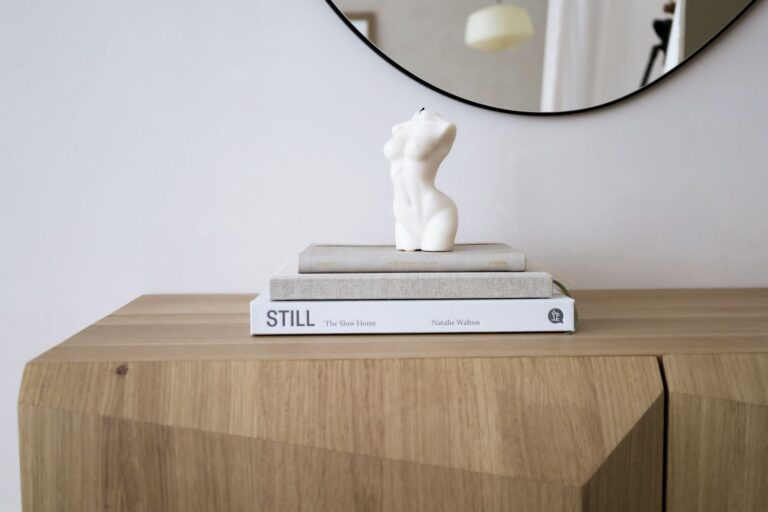
Accessories and decor elements can be layered as well. A stack of coffee table books on a textured fabric runner, for instance, adds a personal touch while also providing a sense of structure. Consider how each element interacts with others in terms of height, color, and texture. A low bowl of fresh fruit or dried flowers can soften the lines of a rigid table, while a tall, slender vase can draw the eye upward, enhancing the room’s perceived height.
Finding the Right Proportions
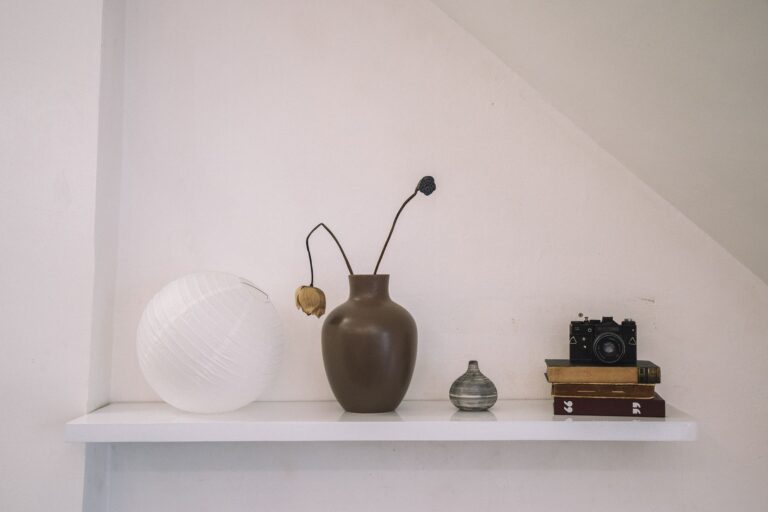
Proportion is an often-overlooked element of decor. An oversized sculpture can dominate a small room, while intricately detailed pieces may get lost in a vast space. My favorite piece is a medium-sized ceramic vase that sits atop my oak coffee table. Its rounded shape and earthy glaze add a layer of texture that is grounded yet not overwhelming. The size is just right, allowing it to shine without overpowering the other elements in the room.
When arranging decor, I always play with scale. A large piece of art can serve as a focal point, while smaller items work best in groups. I’ve curated a small gallery wall with a mix of frames and artwork, allowing the eye to dance around the room. Each piece feels intentional, adding to the narrative without feeling jarring.
Personal Touches and Their Significance
Every home tells a story, and personal touches make those stories rich and layered. In my living room, I have a small shelf lined with travel souvenirs and family photos. Each item has weight – not just in its physical form but in the memories it holds. A small ceramic figure from a trip to Mexico, for example, sits next to a family photo in a simple frame. Together, they create a narrative that brings warmth and personality to the space.
As you curate your own home, think about what objects resonate with you on a personal level. Whether it’s a piece of art that sparks joy or a memento from a memorable trip, these personal touches will add depth and significance to your decor. They go beyond mere decoration; they become conversation starters and anchors for your memories.
Choosing Wisely
One of the most significant lessons I’ve learned is to choose decor wisely. Invest in pieces that resonate with you, that feel right under your hand and in your heart. I once bought a trendy coffee table that looked good but never felt quite right in the room. After moving it around several times, I finally realized it was simply not the right fit for my space. It took time, but ultimately, I replaced it with my solid oak table, which has become the heart of my living room.
It’s also essential to consider upkeep. Some materials require more maintenance than others, and you want to ensure that your choices align with your lifestyle. In my case, the oak table is not only beautiful but also practical; it stands up to the everyday wear and tear of family life without losing its charm.
Closing Thoughts
Choosing decor that feels right is an intimate journey. It’s about understanding how each object contributes to the space and how it resonates with you personally. By paying attention to weight, color, texture, and personal significance, you can create a home that is not just stylish but also deeply meaningful. As you explore your own space, remember to let your choices reflect who you are and the life you wish to cultivate within those walls.