This article may contain affiliate links. If you buy through them, Rooms We Love may earn a small commission at no extra cost to you. Learn more.
In a tiny living room, every corner counts, and the challenge is to create spaces that invite you to linger without overwhelming the senses. This room in my home is a testament to how small adjustments can yield a warm, cozy atmosphere. With careful attention to materials, color, and layout, I have crafted a space that feels expansive yet intimate.
Finding Your Focal Point
Every cozy corner in a small living room should have a focal point, a spot that draws the eye and beckons you to sit down. In my living room, a vintage armchair does just that. Thrifted from a nearby estate sale, its plush velvet upholstery offers both texture and comfort. The deep emerald green hue contrasts beautifully with the lighter elements of the room, grounding the space without making it feel heavy. When I added a small side table beside it – just the right height for a cup of tea – the corner was transformed into a perfect reading nook.
Layering Textures
Texture plays a vital role in creating a cozy feel. In this small room, I layered different materials to add depth. The armchair is complemented by a soft, hand-knit throw draped over one arm, inviting you to snuggle up. Across the room, a woven jute rug warms the hardwood floors, adding an earthy element that contrasts with the smooth surfaces of a sleek coffee table.
On the windows, I chose sheer linen curtains that filter the natural light beautifully, casting soft shadows on the plaster walls as the afternoon sun streams in. The weight of the fabric allows them to hang gracefully, enhancing the airy feel of the room. This lightness is critical in a small space, as heavy drapery can easily make it feel boxed in.
Utilizing Color Wisely
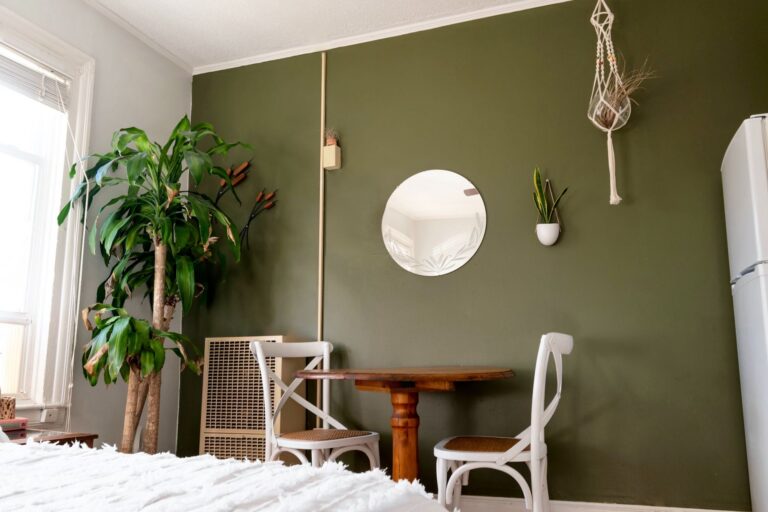
Choosing the right color palette can dramatically change how a room feels. For my living room, I opted for a warm off-white on the walls that reflects light without being stark. It creates an inviting backdrop that allows my favorite pieces to shine. I painted the accent wall in a soft sage green, which adds a touch of serenity and richness without overwhelming the senses. This muted tone brings warmth and depth, making the room feel cozy rather than cramped.
When selecting colors, I recommend considering how they interact with natural light throughout the day. In the mornings, the light bathes the sage wall in a gentle glow, enhancing its warmth. In the evening, the soft white walls reflect the golden hues of the setting sun, creating a gentle ambiance perfect for winding down.
Smart Furniture Choices
In a tiny living room, furniture should be both functional and stylish. I chose a compact, round coffee table that offers ample surface area for books and drinks, while its curved edges keep the flow of the room intact. A rectangular table would have felt cumbersome, interrupting the cozy flow I aimed for.
Another choice was a multifunctional ottoman that can serve as extra seating or a footrest. Upholstered in a durable fabric with a subtle pattern, it adds another layer of visual interest without competing with the armchair. This piece is a perfect example of how thoughtful design can keep a small space from feeling cluttered.
Personal Touches
Adding personal touches is essential in a small living room. I hung a collection of black-and-white photographs on one wall, framed simply in wood. They tell a story of my travels and evoke memories every time I glance at them. This gallery wall adds character and makes the space feel like home.
In one niche, I placed a small bookshelf filled with a mix of new reads and beloved classics. The books are arranged by color, creating a visual pop that draws the eye while also reflecting my personality. This bookshelf acts as both decor and functionality, housing my favorite stories while adding warmth to the corner.
Creating Ambiance with Lighting
Lighting can make or break the atmosphere in a tiny living room. I opted for a mix of ambient and task lighting to create layers. A sleek floor lamp beside the armchair provides focused light for reading, while a series of warm LED string lights draped across the window frame casts a gentle glow in the evenings. The combination allows for flexibility, suited to whatever mood I want to set.
To enhance the natural light during the day, I also incorporated mirrors strategically. A large round mirror hangs opposite the window, reflecting light and making the room feel larger. The slight distortion of the reflection adds visual interest, while also enhancing the room’s brightness.
Cultivating a Sense of Flow
In a small living room, it’s essential to maintain a sense of flow. I positioned the furniture to encourage movement throughout the space. The arrangement of the armchair and coffee table allows for easy navigation, while still creating inviting spots to gather. Each piece feels intentional, as if it were placed with a purpose, rather than crammed in.
Careful arrangements can also help define areas without needing physical barriers. The reading nook near the window feels separate from the rest of the room, yet it’s still integrated into the space’s flow. This delineation is key in small spaces, as it allows for multifunctionality without sacrificing a sense of openness.
Maintaining Cohesion
With all the different elements in play, it’s essential to maintain cohesion across the space. I used a consistent color palette, alongside complementary materials and textures, to tie everything together. Each piece feels like it belongs, creating a harmonious environment that feels both curated and comfortable.
For example, the wood tones from my thrifted chair echo the oak grain of the coffee table, while the soft greens in the accents reflect the sage wall. This sense of harmony helps the space breathe and feel intentional, rather than chaotic.
The beauty of a tiny living room lies in its capacity to embody warmth and personality without overwhelming the senses. With a little thoughtfulness and attention to detail, you can create cozy corners that invite you to pause, reflect, and enjoy the comforts of home.
Ultimately, creating a cozy corner in a tiny living room doesn’t require a vast amount of space. By focusing on textures, colors, and carefully selected furniture, I’ve carved out an inviting atmosphere that embraces the intimate nature of my living space. Each corner tells a story, inviting me to linger just a little longer. In the end, it’s not about how large the room is, but how it feels – a sanctuary I can call my own.