This article may contain affiliate links. If you buy through them, Rooms We Love may earn a small commission at no extra cost to you. Learn more.
When you step into a hallway, it often serves as the first impression of a home, a brief glimpse into its personality and style. One element that can elevate this space instantly is a well-chosen mirror. Mirrors offer more than a place to check your reflection; they can amplify light, create a sense of depth, and even enhance the textures and colors around them. I have spent considerable time curating the perfect mirror for my own hallway, and through that experience, I’ve uncovered insights that might help you find the ideal piece for your space.
Reflecting Your Style
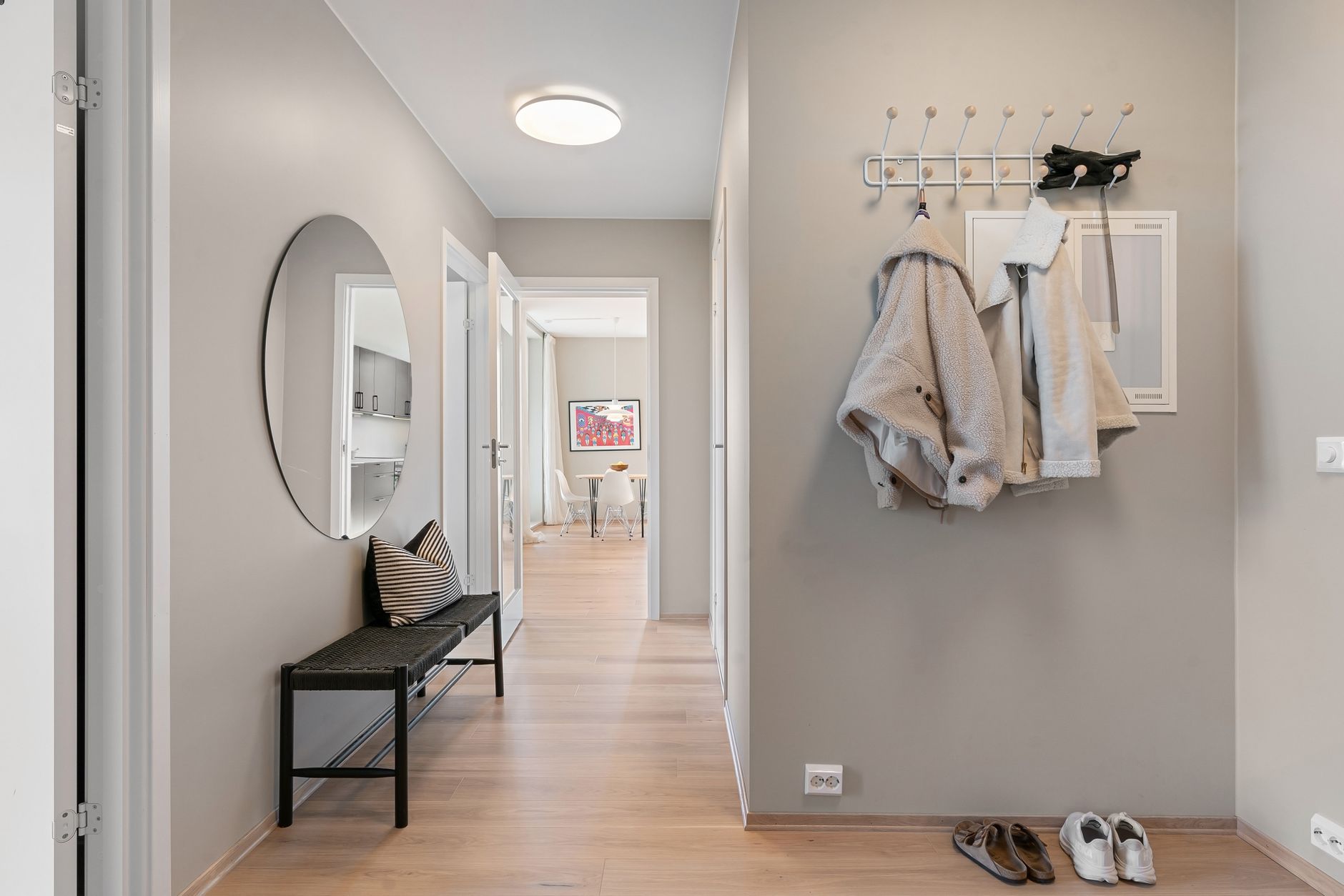
Before you even think about the size or shape of your mirror, take a moment to reflect on your personal style. Is your home modern and minimalistic, or does it lean toward a more eclectic vibe? In my own entryway, which features soft beige walls with a matte finish, I opted for a classic round mirror with a thin brass frame. This choice not only harmonizes with my decor but also introduces a touch of warmth against the coolness of the paint. The contrast of materials – warm brass and soft plaster – creates a tactile dialogue that draws the eye.
Size Matters
When it comes to mirrors, size is a key consideration. A mirror that is too small may get lost in a large hallway, while one that is excessively large can overwhelm the space. I learned this the hard way after hanging a massive rectangular mirror that made my entryway feel claustrophobic rather than inviting. Instead, I found balance with the round mirror, which captures attention without encroaching on the limited space.
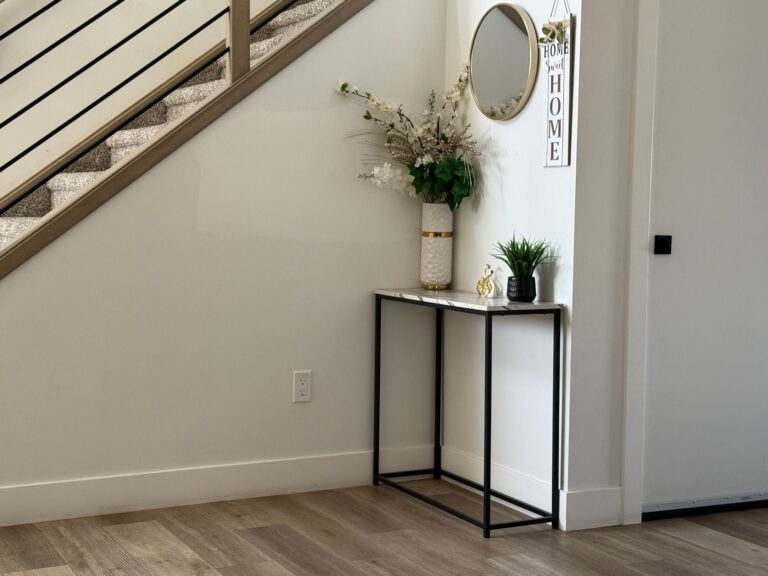
To determine the right size, consider the dimensions of your hallway. A mirror should ideally occupy about two-thirds of the wall space it inhabits. If you have high ceilings, a vertically oriented mirror can accentuate that height, while a horizontal one can widen a narrow corridor. In my home, I chose a mirror that extends just above a small console table, creating a cohesive look that feels intentional rather than forced.
Shape and Frame
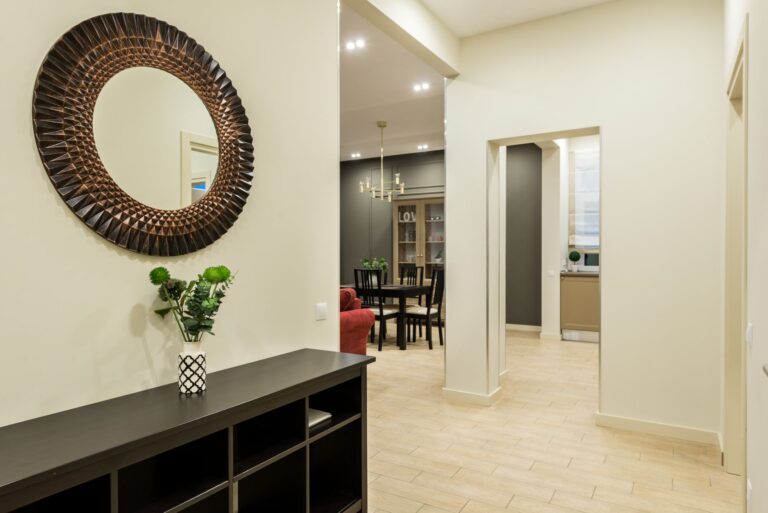
The shape and frame of a mirror can dramatically affect the overall aesthetic. Round mirrors soften angular spaces, while rectangular mirrors tend to provide a more formal look. I find that round mirrors can imbue a sense of playfulness, especially when combined with more structured elements like a sharp-edged console table.
For a more rustic feel, consider wooden frames with a natural finish. This adds warmth and pairs beautifully with soft textiles, like a linen curtain I have hanging nearby. The curtain gently filters the afternoon light as it falls over the entryway, making the space feel welcoming and serene. If you’re aiming for a modern edge, a frameless mirror or one with a sleek metallic frame can create a striking focal point.
Reflecting Light and Space
Mirrors are unparalleled when it comes to enhancing natural light. In my hallway, the mirror reflects sunlight streaming through a nearby window, creating a warm glow that fills the corridor. Placing a mirror across from a light source can amplify this effect, making the space feel brighter and larger. In darker hallways, a well-positioned mirror can work wonders, pulling light in and making the area more inviting.
If you have a narrow hallway, consider a long, vertical mirror to draw the eye upward, creating an illusion of spaciousness. On the other hand, if your hallway feels wide but lacks depth, a more compact, horizontally oriented mirror can help focus the eye. The placement of your mirror relative to the light will determine its impact – experimenting with different positions can yield surprising results.
Material Matters
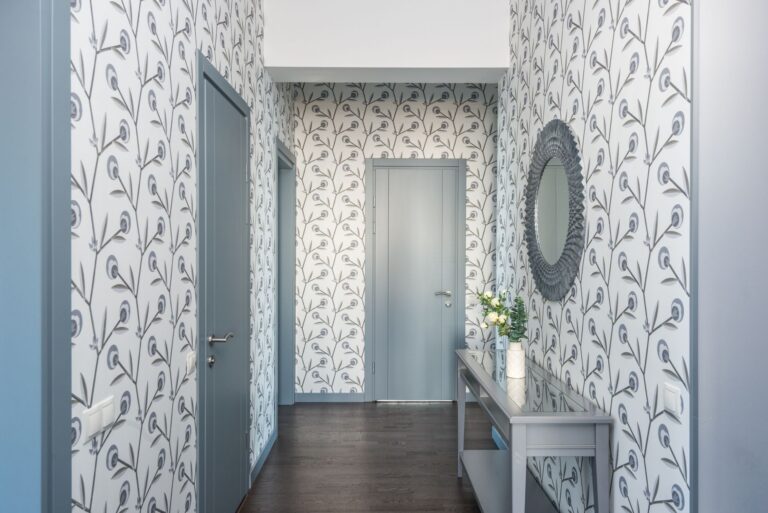
The material of your mirror frame should harmonize with the other elements in your space. In my entryway, the brass frame of my mirror complements the metallic accents in my decor, including the hardware on my console table. If your hallway features wooden elements, a wooden frame can tie the design together beautifully. Natural materials, like rattan or wicker, can add texture and warmth, making the space feel more inviting.
Finishing Touches
Mirrors can act as a backdrop for other decorative elements, effectively styling your hallway. I love to create a vignette beneath my mirror, incorporating personal touches such as a thrifted chair that adds character and provides a practical spot to sit while putting on shoes. Layering items like a small plant, a few favorite books, or a piece of art can create a story that welcomes guests into your home and reveals a bit of your personality.
Maintenance and Upkeep
Choosing a mirror also requires some thought about upkeep. A vintage piece, while charming, might require extra care to maintain its shine and integrity. I once had a beautiful antique mirror that I found at a flea market, but its ornate frame became a dust magnet. After a few weeks of maintaining it, I realized that simplicity often wins when it comes to upkeep.
For my current selection, I opted for a more streamlined design that requires little more than a quick wipe to keep it clean. Consider where your mirror will be placed. If it’s near an entryway, it might need more frequent cleaning due to shoes and outerwear coming and going. Choose materials that can withstand the wear and tear of daily life.
Budget and Sourcing
Your budget will undoubtedly shape your choices. While it is tempting to splurge on a designer piece, there are many budget-friendly options that can offer just as much style. Thrift stores, flea markets, and online marketplaces can yield hidden gems that elevate your hallway without breaking the bank. I found my round mirror at a local antique store, and it was surprisingly affordable – proof that a well-curated space doesn’t have to come from high-end retailers.
If you’re considering a custom piece, think about how it will fit into your long-term plans. Investing in a quality mirror that aligns with your vision can pay off over time, especially if it can transition with you as your style evolves. A timeless piece can serve as a foundation for your hallway’s design for years, keeping it relevant even as trends change.
Putting It All Together
Choosing the perfect hallway mirror goes beyond mere aesthetics; it’s about creating a cohesive and inviting entryway that reflects your personal style. From size and shape to material and maintenance, every detail contributes to the overall experience of your home. With careful consideration, your mirror can become a functional piece of art that transforms your hallway into a welcoming introduction to your dwelling.
As you embark on this journey, remember to trust your instincts. Allow your personal style to guide you, and don’t shy away from experimenting until you find the right fit. The beauty of decorating is in the process itself, a chance to curate a space that feels uniquely yours in every detail. A well-chosen mirror is not just a functional item; it is an opportunity to reflect a little of who you are.