This article may contain affiliate links. If you buy through them, Rooms We Love may earn a small commission at no extra cost to you. Learn more.
Stepping into a small bathroom can often feel like a retreat or a constraint, depending on how the space is styled. I’ve spent countless hours pondering the best way to decorate my own modest bathroom, which is just shy of the size of a closet. The key, I’ve discovered, lies in the textures that surround you. They provide the warmth and depth needed to elevate a compact room from mundane to inviting.
Layering Textures
In my bathroom, I’ve layered textures in a way that creates a sensory experience each time I enter. The first thing that welcomes you is the soft, fluffy bath mat beneath your feet. It’s an essential element that immediately comforts you as you step onto it. I chose a mat with a high-pile texture that contrasts beautifully with the cool tiles beneath it. This tactile relationship between the two surfaces sets the tone for the entire space.
To offset the hard surfaces in my tiny bath, I hung large linen curtains that frame the small window perfectly. The fabric has a gentle weight, allowing the light to filter softly through, creating an ethereal glow during the mornings. Linen is such a versatile textile, and I appreciate how its natural, slightly wrinkled quality brings a sense of relaxation to the room, steering away from a sterile feel. The curtains sway with even the slightest draft, adding movement and life to the space.
Choosing the Right Materials
When it comes to materials, I like to mix and match to find the right balance between comfort and durability. For my small bathroom, I opted for a matte finish on the walls, which I painted in a soft, muted sage green. The chalky texture of the paint not only enhances the room’s aesthetic but also reflects light beautifully. This shade creates depth and dimension, making the space feel larger than it is. I didn’t skimp on quality here; a good paint finish holds up better in the humidity of a bathroom and makes upkeep easier.
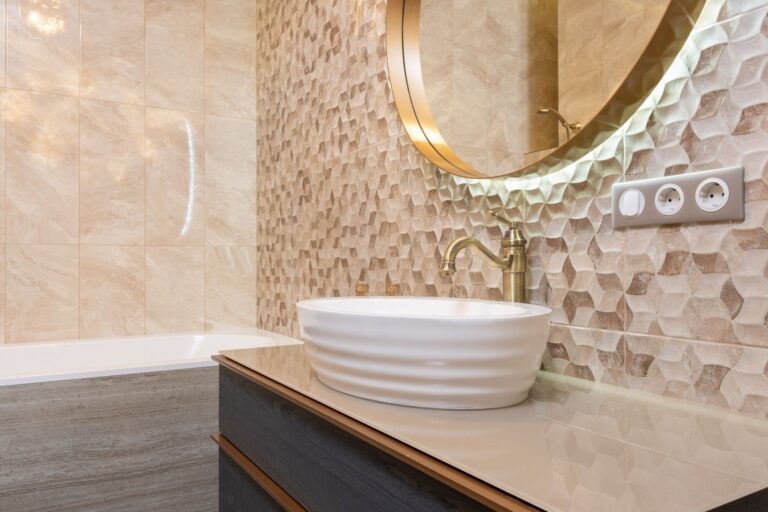
The vanity is another focal point where material choice plays a significant role. I’ve embraced wood with a natural grain, which brings warmth to the otherwise cold tiles. The sink sits atop a floating oak vanity that I thrifted, its rustic finish adding character to the room. This piece stands out against the smooth surfaces, giving the space a layered, curated feel. Every time I catch a glimpse of that wood, I am reminded of how much story can be contained within small details.
Accessorizing with Intention
Accessories can make or break a bathroom’s atmosphere. In my tiny bath, each piece is chosen with intention. I’ve curated a small collection of ceramic vessels that house my toiletries. Their smooth, glossy surfaces reflect light, bringing a hint of shine to an otherwise muted palette. I love running my fingers across them, enjoying the contrast of textures against the linen curtain and the wood of the vanity.
To create a cohesive look, I added a few woven baskets underneath the sink. They serve both a decorative and functional purpose, allowing me to store extra towels and beauty products while looking effortlessly stylish. The natural fibers and tactile quality of the baskets offer a nice contrast to the hard surfaces of the bathroom, inviting a sense of warmth and homey charm.
Emphasizing Flexibility through Texture
Small bathrooms often require flexibility in their design choices. One of the best decisions I made was to incorporate a folding stool that I found in a thrift store. Its fabric is a rich velvet, which introduces an unexpected touch of luxury and a soft sheen to the room. When not in use, it tucks neatly away, ensuring the space remains open and airy. The stool also serves as a place to place things briefly when I’m getting ready, blending function and style beautifully.
Incorporating textures like velvet, linen, and natural wood can create layers that draw the eye around the room, leading to a visually engaging experience. I’ve frequently rearranged elements in this small space, moving the stool from one corner to another as I try to perfect the flow. Each minor adjustment calls attention to different textures and how they interrelate, allowing the space to feel fresh with each new configuration.
Lighting as a Textural Element
Lighting is another critical component that affects how textures are perceived in any room, particularly in a tiny bath. In mine, I’ve chosen to use warm, soft bulbs that cast a cozy glow over all the materials. This choice enhances the natural colors of the linen curtains and the oak vanity, creating a warm embrace that invites you to linger. I’ve swapped out the harsher overhead light with a vintage-style pendant that incorporates a textured glass shade. The light shines through, creating beautiful patterns on the walls and adding another dimension to the space.
Throughout the day, the changing light transforms the room. In the early morning, the soft rays filtering through the linen curtains dance across the walls, highlighting the grain of the wood and the smoothness of the ceramics. In the evening, the warm glow of the lighting creates a soothing atmosphere, making it the perfect place to unwind after a long day.
Creating Personal Touches
Adding personal touches can elevate the experience of a space significantly. In my tiny bath, I’ve included framed prints of botanical illustrations that resonate with the overall natural theme. These artworks hang at eye level, inviting you to pause and appreciate their detail. The textures of the frames, a mix of matte black and natural wood, harmonize with the surrounding elements and add an artistic flair.
I also love to rotate seasonal elements throughout the year. In the summer months, I place a simple vase of fresh flowers on the vanity. Their bright, vibrant petals contrast with the muted textures and colors, bringing a burst of life into the room. In the colder months, I replace them with dried branches or pinecones, which resonate with the warmth of the wood and bring a sense of nature indoors.
Final Thoughts
In a small bathroom, every texture counts. It is the interplay of materials that can transform a cramped feeling into a sanctuary. By layering soft fabrics with natural woods and adding personal touches, you can create a space that is both functional and inviting. The journey of styling my tiny bath has taught me the value of thoughtful texture choices. Each element plays a role in crafting a cohesive narrative, inviting you to linger just a bit longer each time you enter. Remember, it’s about finding joy in the details and allowing your personal style to flourish, even within the smallest of spaces.